
Pakistan’s original summer escape turquoise Saif-ul-Malook, mirror-still Lulusar, and Babusar Pass at 4,173 metres, all strung along the Kunhar River.
Most trips run 4 to 5 days from Islamabad — a 7–8 hour drive covers the 240 km route via Abbottabad, Mansehra and Balakot to Naran town at 2,409m. Budget PKR 40,000–70,000 per person for a group tour with hotel stays, jeep transfers to Saif-ul-Malook Lake, and a Babusar Top day trip; private customised trips run PKR 75,000–95,000. Travel between June and September, when Babusar Pass is open and the valley’s 160 km stretch of lakes and meadows is fully accessible.
Kaghan Valley runs 160 kilometres along the Kunhar River, climbing from forested foothills at Balakot (900m) to Babusar Top at 4,173m, where the road spills over into Gilgit-Baltistan. Naran town, at 2,409m, is the valley’s tourist hub and the base for almost every attraction on this list.
This is Pakistan’s oldest mountain tourism circuit nearly 100,000 visitors pass through between mid-June and mid-November, drawn by Saif-ul-Malook’s turquoise water beneath Malika Parbat, the valley’s tallest peak at 5,290m, and the string of lakes, meadows and passes that follow the Kunhar north.
4,173m
Islamabad
River valley
trout fishing
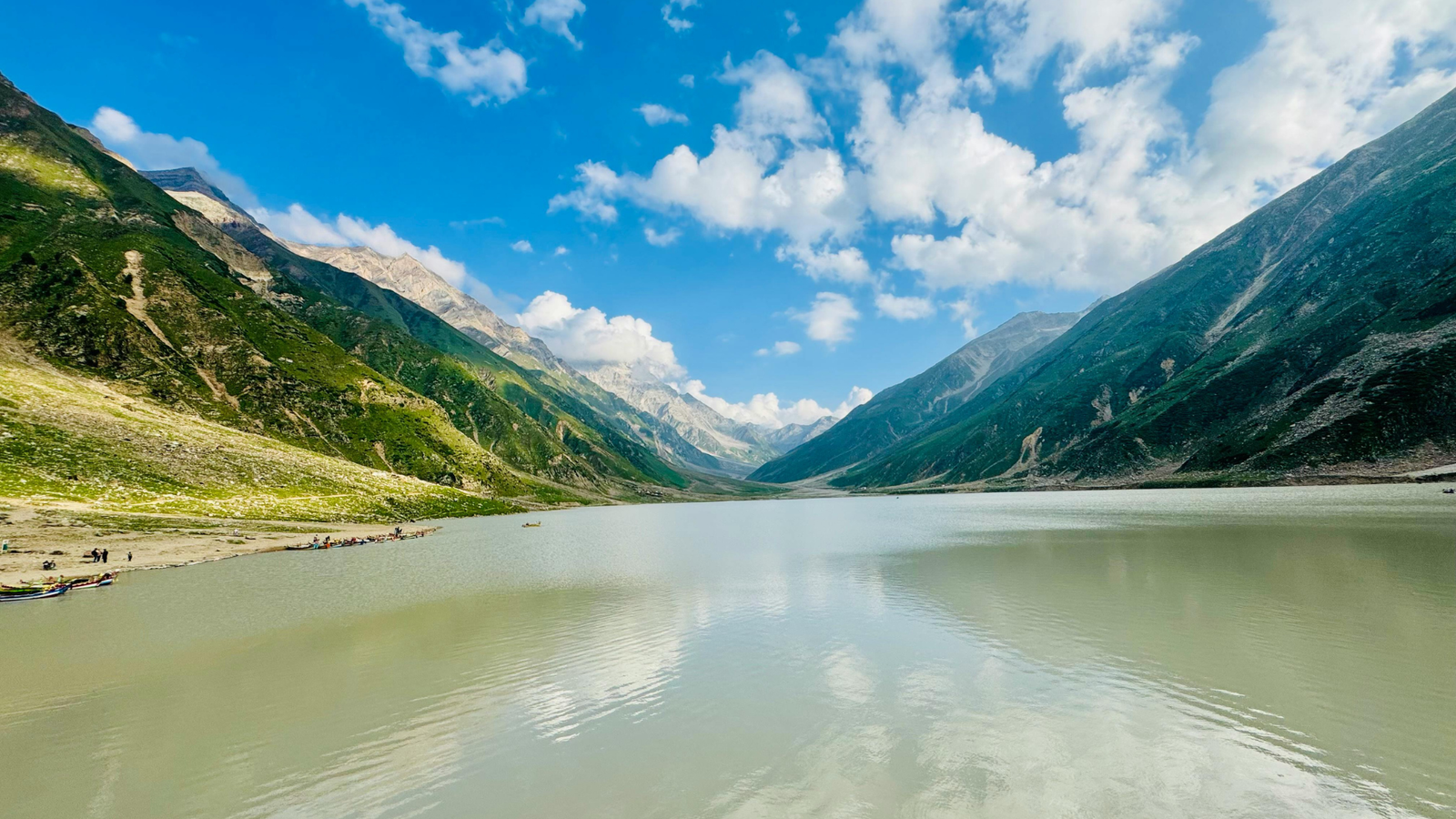
Saif-ul-Malook Lake’s fame partly comes from the folk legend of Prince Saif-ul-Malook and the fairy princess Badi-ul-Jamal, a story local guides still tell visitors as they gaze at the lake beneath Malika Parbat’s snowfields.
Babusar Pass, at 4,173 metres, is the highest point in Pakistan easily reached by jeep or car — and the physical link between the Kaghan Valley and Chilas in Gilgit-Baltistan, making Naran Kaghan a natural gateway to the north.
The valley shifts character with elevation: forested lower reaches around Balakot and Shogran give way to open alpine meadows at Naran and Siri Paye, then high glacial terrain above 3,500m at Lulusar, Ansoo Lake and Babusar Top.
The Kunhar River rises at Lulusar Lake (3,410m) and runs the full length of the valley before joining the Jhelum River near Muzaffarabad — its upper reaches are considered among Pakistan’s best brown and rainbow trout waters.
A 4–5 day group tour from Islamabad typically runs PKR 40,000–55,000 per person, including shared transport, standard hotel stays in Naran or Shogran, and daily breakfast and dinner. Private, customised trips with a dedicated jeep, premium hotels, and flexible stops range PKR 75,000–95,000 per person. Jeep hire to Saif-ul-Malook (round trip from Naran) typically costs PKR 4,000–6,000 per vehicle, shared among passengers.
June to September is peak season, when Babusar Pass is open and roads to Lulusar Lake and Saif-ul-Malook are clear. The trek to Ansoo Lake is best attempted in July–August specifically. Winter brings heavy snowfall and closes most upper routes, though Balakot and lower Kaghan remain accessible year-round.
4 days covers the core route: Day 1 Islamabad to Naran (7–8 hrs via Abbottabad, Mansehra, Balakot). Day 2 jeep day trip to Saif-ul-Malook Lake, Lulusar Lake and Babusar Top. Day 3 Shogran and Siri Paye meadows on the return leg. Day 4 return to Islamabad. 5–6 days adds a rest day at Saif-ul-Malook for the optional Ansoo Lake trek, or extends time at Shogran for horse riding and jeep safaris around Siri Paye.
The core circuit is easy — Saif-ul-Malook, Lulusar Lake and Babusar Top are all reachable by jeep with no trekking required. Hiking to Saif-ul-Malook on foot instead of by jeep is an 8 km trail with a 3,000-foot ascent, rated moderate to strenuous (4–6 hours). The Ansoo Lake trek is the valley’s hardest route — 7–9 hours round trip via horse ride and hiking above 4,000m, for experienced trekkers only.
Standard inclusions: return coaster or 4×4 transport from Islamabad, hotel stays in Naran and/or Shogran, breakfast and dinner, and a tour guide. Usually excluded: lunches on the road, jeep hire to Saif-ul-Malook/Lulusar/Babusar Top (charged separately per vehicle), horse riding at Siri Paye or toward Ansoo Lake, and personal trekking gear.
Yes — it’s one of Pakistan’s most tourist-developed mountain routes, with established hotels, marked jeep stands, and heavy seasonal traffic. The main caution points are the Babusar Top road, which is narrow and can be slippery in rain or early snow, and jeep-only sections beyond Naran, where a local driver is strongly recommended over a private car.
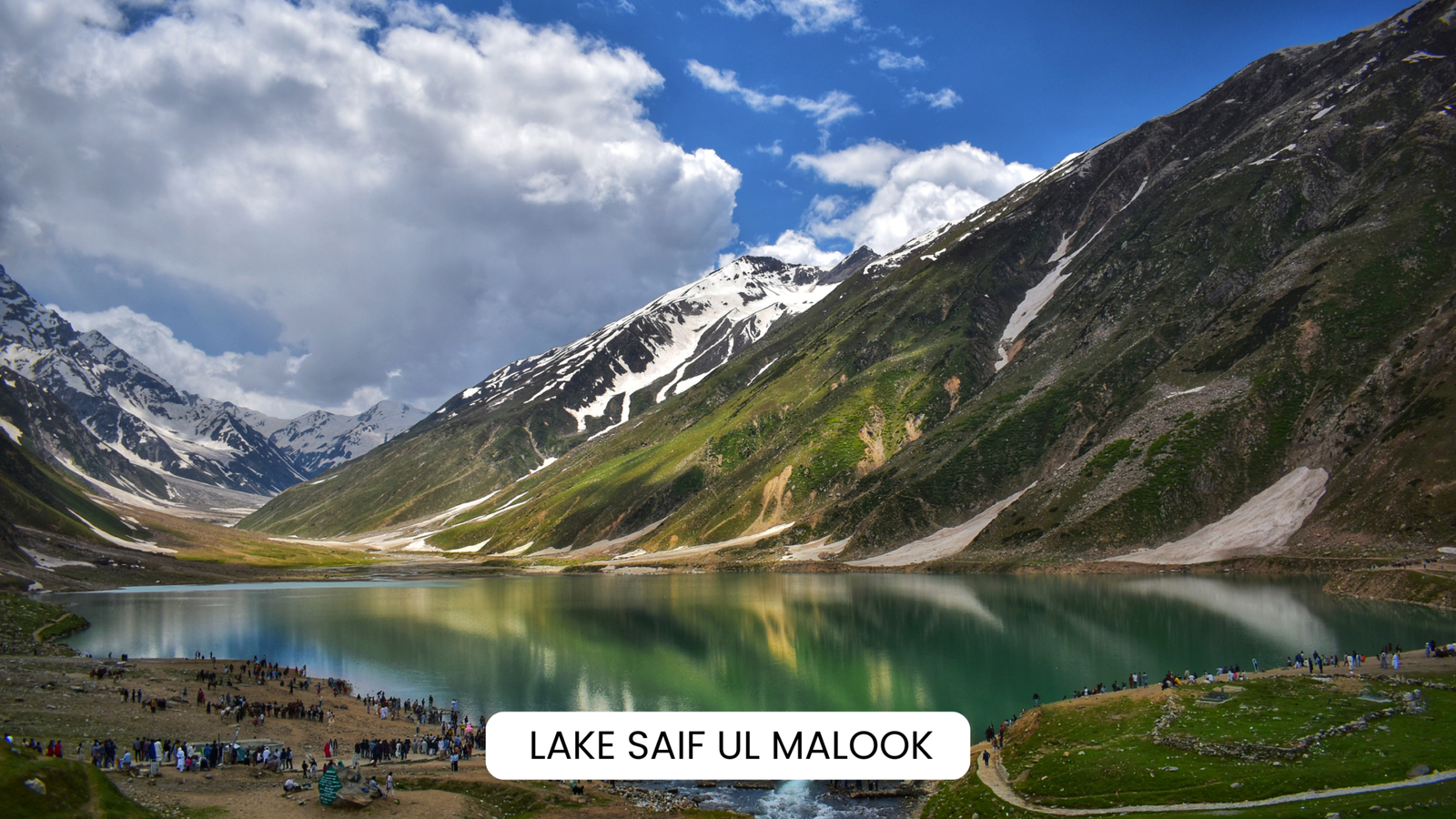
The valley's signature lake at 3,224m, framed by Malika Parbat. Reached by jeep in 30–40 minutes from Naran, or an 8 km hike for the physically fit.
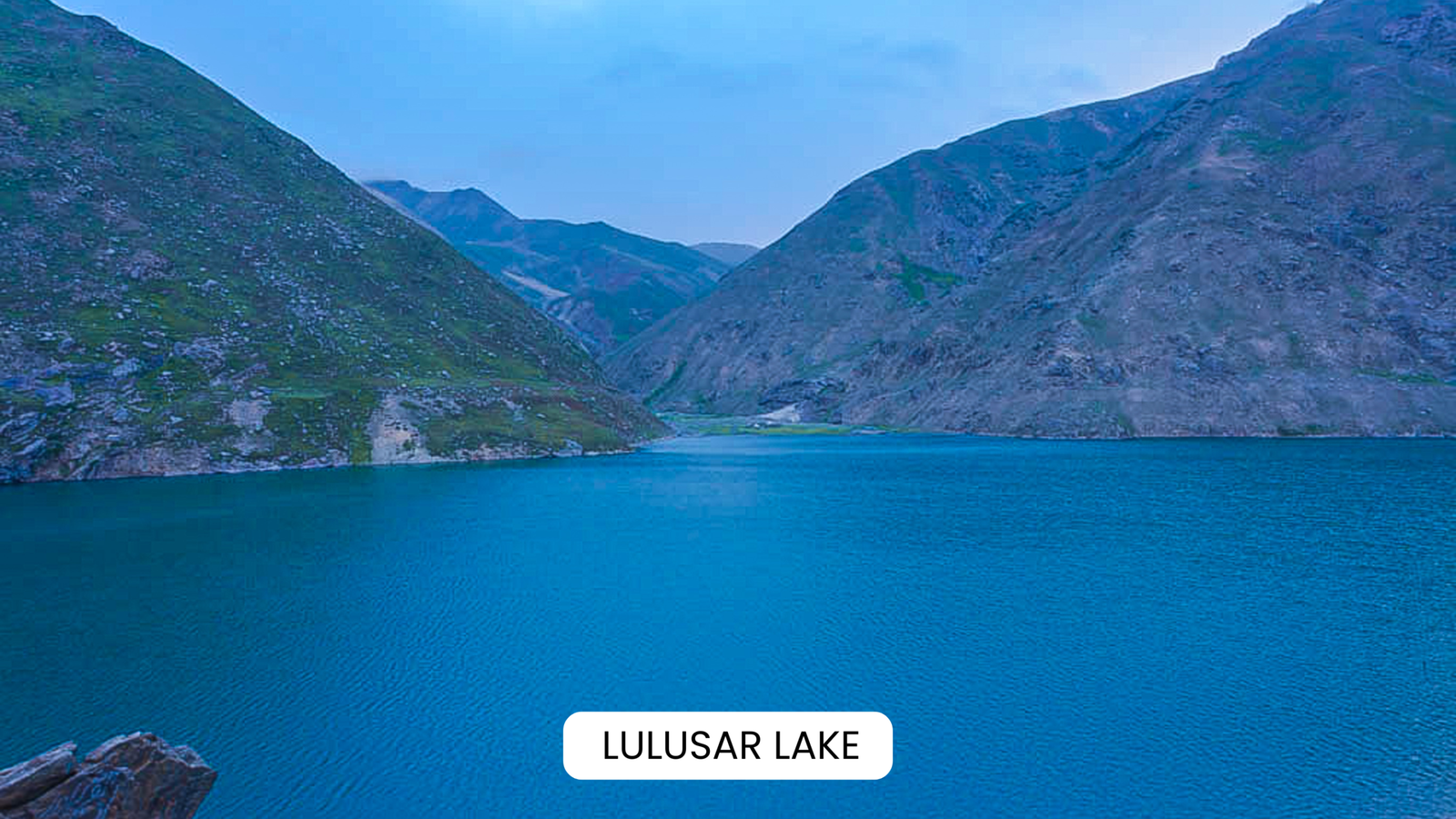
The largest natural lake in Kaghan Valley and source of the Kunhar River, 48 km from Naran on the road toward Babusar Top, framed by snow-capped peaks.
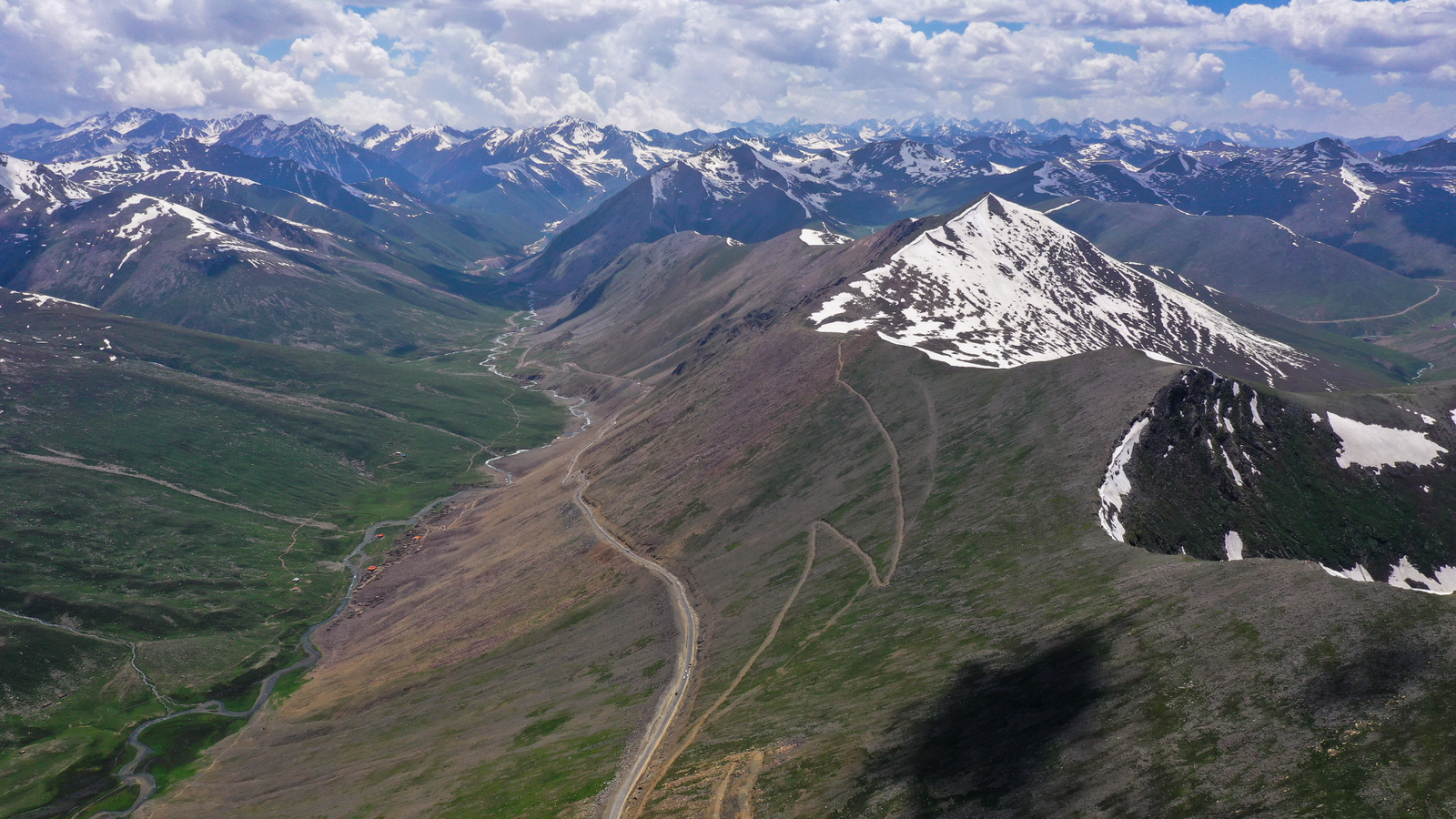
The highest point easily accessible by car in Pakistan, linking Kaghan Valley to Chilas and Gilgit-Baltistan, with sweeping sunset views and cool summer winds.
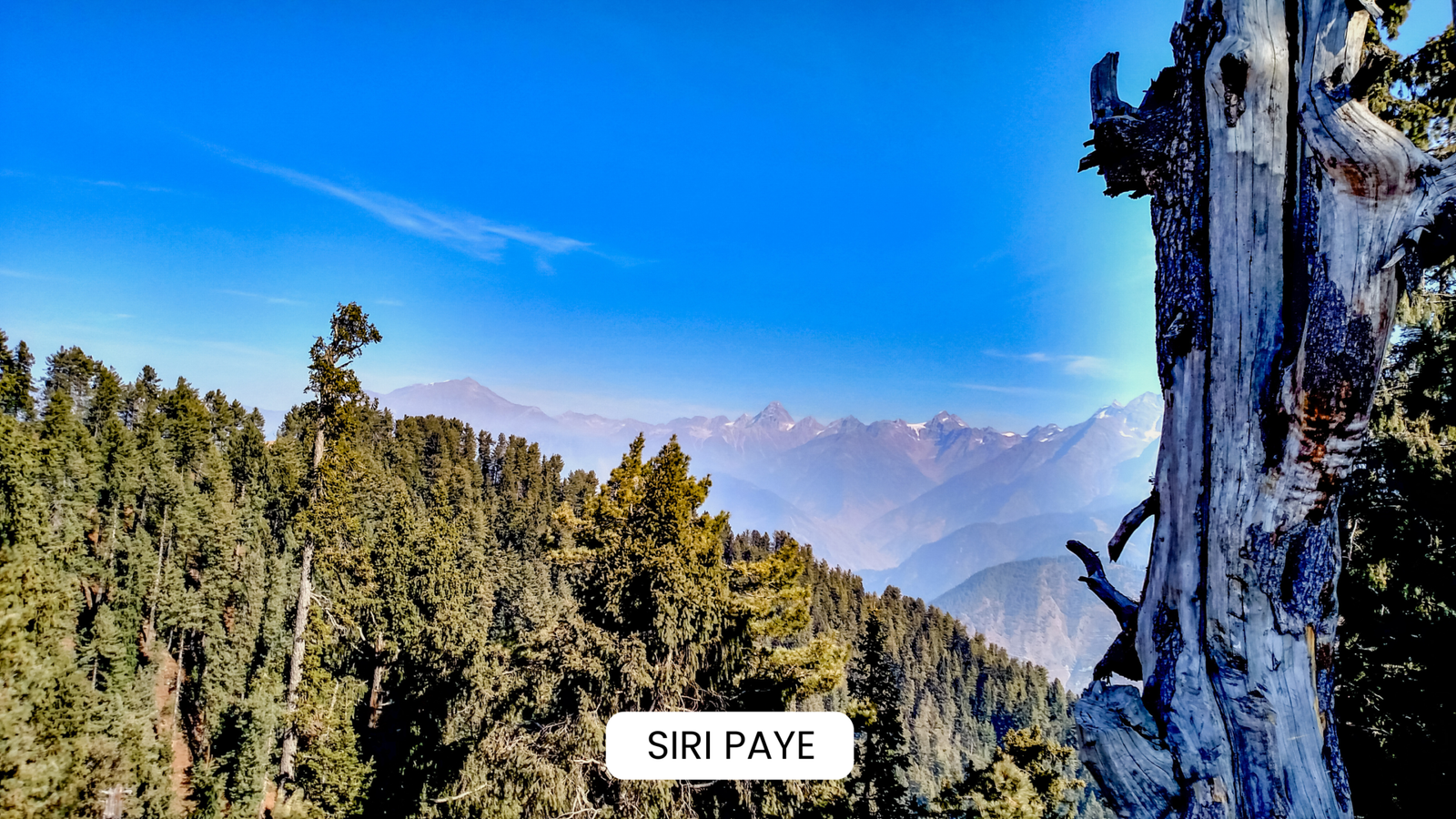
A pine-forest hill station and its adjoining alpine meadow, 8 km apart by jeep road, known for horse riding, wildflowers and views of Makra Peak.
A teardrop-shaped glacial lake at 4,250m, discovered in 1993 and reached by a demanding 7–9 hour round-trip trek combining horse riding and hiking.

We make your journey to Northern Pakistan simple, safe and unforgettable — Hunza, Skardu, Swat, Naran & Kaghan, Naltar, Murree and Azad Kashmir, planned by local, licensed guides.
+92 308 5223335
info@toursbynature.com
Office No.1, Plot No. 2-E, Chaudhary Market, I-9/4, Islamabad, Pakistan
toursbynature.com
Welcome to Tours by Nature!
Thank you for reaching out — we’re excited to help you plan your perfect journey
WhatsApp Us
Online | Privacy policy
Book Now